Welding Processes Matched to Aluminum Components
Aluminum Welding in Cape Coral for trailers, gates, equipment parts, and custom metalwork requiring material-specific techniques
Aluminum components require different welding procedures than steel due to the material's lower melting point, higher thermal conductivity, and oxide layer formation. Trailers built with aluminum frames, gates using aluminum tube construction, and equipment with aluminum brackets cannot be repaired using the same welding approach applied to steel assemblies. Black Hat Coastal Welds LLC completes aluminum welding projects in Cape Coral for repairs and fabrication where the component material demands the appropriate welding process. Contractors, property owners, and equipment operators throughout Southwest Florida use this service when aluminum parts crack, separate, or require custom fabrication.
Aluminum welding involves cleaning the oxide layer from the joint area, selecting filler material compatible with the base aluminum alloy, and using a welding process that controls heat input to prevent burn-through on thin-walled sections. The welder prepares the joint by removing contaminants and oxidation, then applies the weld while managing the heat-affected zone to avoid warping or weakening adjacent material. Applications include trailer tongue repairs, custom aluminum brackets, gate frame sections, and equipment component fabrication.
Identify the component type, aluminum thickness, and repair or fabrication requirements when requesting service.
How Aluminum Welding Addresses Component Failures
Aluminum welding restores cracked or separated components by fusing the base metal at the fracture and adding filler material that matches the alloy composition. The welder cleans the joint area, positions the fractured sections, and applies the weld bead while controlling amperage to prevent overheating. For trailer components, this approach repairs cracked tongue sections, broken crossmembers, and damaged mounting brackets. For gates, it addresses fractured hinge mounts and separated frame joints. For custom work, it allows fabrication of brackets, reinforcement plates, and one-off parts that must integrate with existing aluminum assemblies.
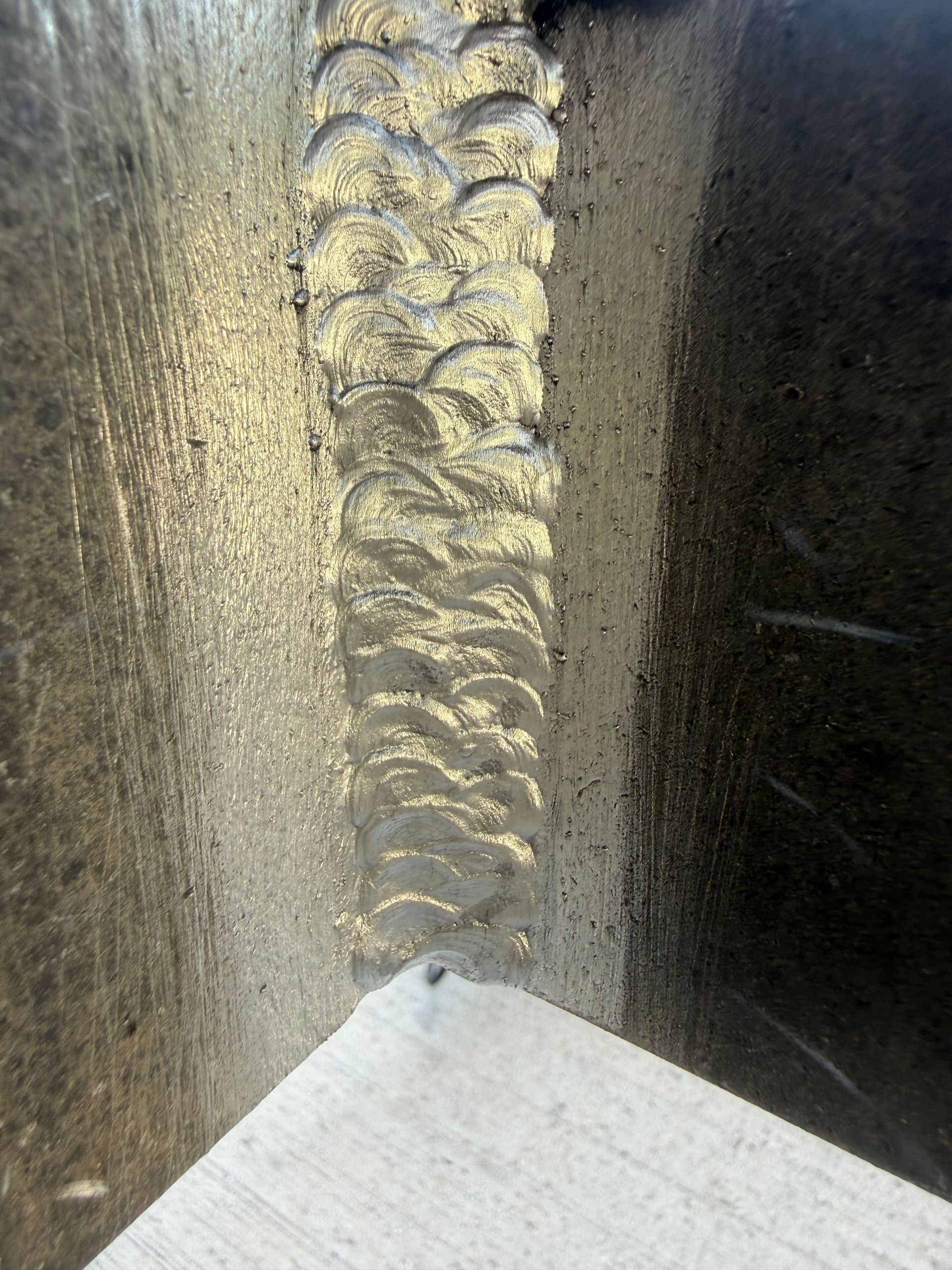
After aluminum welding is completed, you'll see a continuous weld seam where the crack or separation previously appeared, and the component will support load without flexing at the repair. A welded trailer tongue will handle towing forces without the aluminum separating at the joint. A gate hinge that was torn from the frame will remain secured when the gate swings. Custom-fabricated aluminum brackets will hold mounted accessories without bending or cracking under normal use. The repaired or fabricated aluminum will maintain its structural function without the visual gap or movement that indicated failure.
Aluminum welding does not coat or treat the finished weld area, so the repair will show bare aluminum until painted or left to develop a natural oxide layer. Some applications in Southwest Florida's coastal environment may require additional surface treatment to manage long-term appearance, though this falls outside the welding service itself.

Common Questions About Aluminum Welding
Aluminum welding addresses material-specific repair and fabrication needs for trailers, gates, and equipment throughout Cape Coral and surrounding Southwest Florida properties.
What makes aluminum welding different from steel welding?
Aluminum conducts heat much faster than steel, requiring different amperage settings and filler material, and the surface oxide layer must be cleaned before welding or the joint will not fuse properly.
How does the welder determine if a component is aluminum or steel?
Aluminum is lighter than steel for the same size, does not rust, and a grinder test produces bright white sparks for aluminum versus yellow-orange sparks for steel, confirming material type before welding begins.
What types of aluminum repairs are commonly needed on trailers in Cape Coral?
Cracked tongue sections where the aluminum tube has fractured under towing stress, broken crossmembers, and damaged mounting brackets for lights or tie-downs are frequent repairs on aluminum boat trailers and utility trailers.
Why do some aluminum welds fail shortly after repair?
Aluminum welds fail prematurely when contamination was not fully removed before welding, when incorrect filler material was used, or when excessive heat input weakened the surrounding aluminum and created a brittle heat-affected zone.
How is filler material selected for aluminum welding?
Filler rods are matched to the base aluminum alloy when known, or a general-purpose aluminum filler is used for repairs where the specific alloy is not identified, ensuring the weld metal has similar strength properties to the base material.
Black Hat Coastal Welds LLC completes aluminum welding projects for trailers, gates, equipment, and custom metalwork across Southwest Florida. Provide component details and photos when requesting repair or fabrication service.