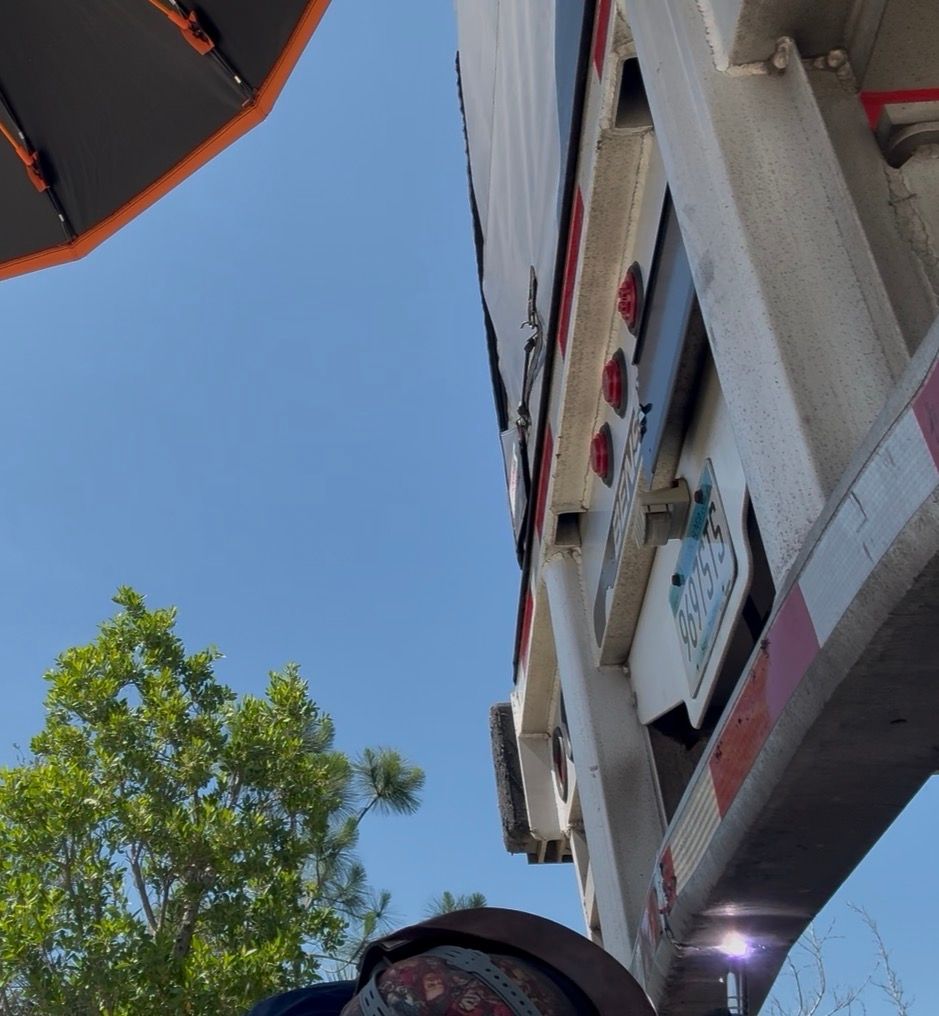

Welding Repairs Delivered to Active Job Sites
Mobile Equipment Welding in Cape Coral for construction machinery, loaders, and heavy equipment with cracked components
Construction equipment operating on Southwest Florida job sites develops weld failures when bucket mounts crack under digging force, loader arms show stress fractures, or frame sections separate due to repeated load cycles. Moving a disabled excavator or skid steer to a repair shop often requires transportation logistics that delay the project and add cost. Mobile equipment welding brings the repair directly to the machine's location in Cape Coral, allowing contractors to address cracked welds, broken mounting brackets, and damaged structural components without arranging equipment transport. Black Hat Coastal Welds LLC completes these repairs on-site for contractors managing active projects and property work where downtime directly affects schedules.
Equipment welding involves cleaning the cracked or separated area, removing paint and rust from surrounding metal, and applying penetration welds that fuse the fractured components back into a continuous structure. Bucket edges that have cracked at the corner welds are rewelded to restore edge integrity. Loader arms showing fatigue cracks near pivot points are repaired and may require reinforcement plates if the crack indicates insufficient material thickness. Frame sections that have separated under load are realigned and welded to restore structural continuity.
Provide equipment type, component location, and photos of the cracked or damaged area when requesting mobile welding service.
What Proper Equipment Welding Requires
Repairing cracked equipment components requires cleaning the fracture area to bare metal, positioning the separated sections so they align correctly, and completing welds that penetrate through the full thickness of the material. Surface rust, hydraulic fluid, and dirt must be removed before welding begins, since contaminants in the weld pool weaken the repair. For high-stress areas such as bucket mounts and pivot points, the welder may add reinforcement gussets or backing plates that distribute load across a larger area and reduce the likelihood of repeat failures. The repair must restore the component's ability to handle operating forces without flexing or cracking again during normal use.
Once welding is finished, the equipment component will no longer show visible separation or movement at the previously cracked location. A repaired bucket will hold material without the corner welds opening under load. A loader arm that was cracking near the pivot will support lifting force without the metal flexing at the weld seam. Frame sections that had separated will remain joined when the machine operates under typical job site conditions. Black Hat Coastal Welds LLC addresses these failures where the equipment is located, reducing the time between damage discovery and repair completion.
Mobile equipment welding repairs the immediate structural failure but does not modify the equipment's design or operating capacity. If the crack resulted from overloading, repeated stress beyond the component's rated capacity, or metal fatigue from extended use, the underlying cause remains unless operating practices or component reinforcement change.

Questions Contractors Ask About Equipment Repairs
Mobile welding provides on-site solutions for construction equipment and machinery operating throughout Southwest Florida's job sites and properties.
What types of equipment cracks can be repaired in the field?
Cracked bucket mounts, loader arm stress fractures, frame separations, broken attachment brackets, and damaged hydraulic cylinder mounts are commonly repaired on-site if the metal is thick enough to accept a structural weld.
How does the welder access components that are difficult to reach?
The equipment may need to be repositioned so the damaged area is accessible, and in some cases, hydraulic cylinders or attachments must be removed to provide clear access to cracked frame sections or mounting points.
Why do bucket edges crack repeatedly at the same location?
Bucket cracks often reappear when the bucket is used for applications beyond its design, such as prying or lifting, which concentrates stress at corner welds that were not reinforced for those forces.
How long does a typical loader arm or bucket repair take on-site?
Most single-crack repairs on equipment take two to four hours, depending on access, the extent of the damage, and whether reinforcement plates need to be fabricated and welded in addition to closing the fracture.
What preparation speeds up the repair process?
Park the equipment on stable ground with the damaged component positioned for access, and have any hydraulic fluid leaks addressed beforehand since fluid contamination interferes with welding and creates fire hazards during repair.
Black Hat Coastal Welds LLC completes mobile equipment welding repairs across Cape Coral and Southwest Florida for contractors managing construction and property projects. Send equipment details and damage photos when scheduling service.